

 Achieving a high level of operational efficiency is the ultimate goal for any modern industrial enterprise. In an increasingly competitive global marketplace, manufacturing plants must constantly look for ways to optimize their workflows without compromising product quality.
Increasing your total production requires a careful balance of technological innovation, regular equipment maintenance, and strategic workforce management.
By identifying and eliminating hidden operational bottlenecks, facility managers can significantly boost daily output and secure long-term profitability.
Here are six essential production strategies designed to streamline your factory floor and maximize industrial efficiency.
Implementing Comprehensive Lean Manufacturing Principles
Eliminating waste is the fastest way to increase total manufacturing efficiency across any production line. Lean methodology focuses on analyzing every step of your assembly process to remove non-value-adding activities.
This includes minimizing the physical movement of raw materials, reducing excess inventory buildup, and shortening product changeover times. By creating a continuous, frictionless flow of work, your facility can produce higher volumes of finished goods using the exact same amount of floor space.
Optimizing Metal Fabrication with High Performance Press Brake Machinery
For industrial facilities involved in heavy manufacturing or precision metalwork, precision shaping tools dictate the entire speed of assembly. Relying on outdated bending tools slow down production and introduce costly dimensional errors.
Upgrading to modern, automated press brake machinery allows your technical operators to execute complex sheet metal bends with absolute accuracy.
These advanced systems feature programmable computer controls that dramatically reduce setup times, allowing your plant to process larger batches of fabricated components in record time.
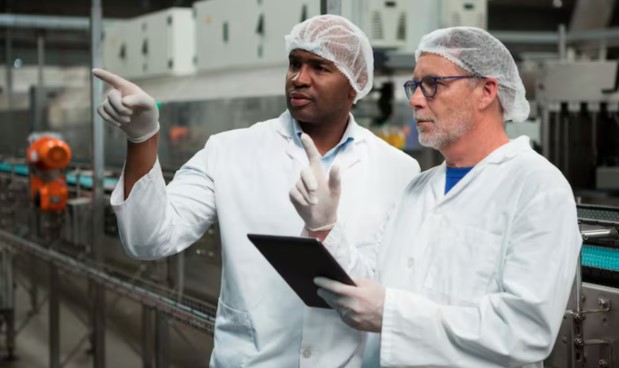
Scaling Operations Through Food Manufacturing Consulting Services
Processing consumable goods introduces complex regulatory standards, precise ingredient measurements, and strict shelf-life limitations that can easily limit your maximum output.
Companies aiming to increase processing speeds must secure expert external guidance to safely optimize their workflows.
Engaging specialized food manufacturing consulting services provides direct access to industry experts who can reconfigure factory layouts, standardize recipes, and automate packaging lines. This specialized oversight helps your brand eliminate ingredient waste and maximize daily throughput safely.
Establishing Strict Predictive Maintenance Schedules
Unplanned equipment downtime is one of the most expensive obstacles to maintaining a high volume of industrial production. Waiting for a critical machine to break before fixing it causes costly delays that ripple through your entire supply chain.
Implementing a predictive maintenance strategy involves utilizing advanced sensors to monitor machinery health in real time.
This allows your maintenance staff to identify minor mechanical wear and schedule repairs during planned shift breaks, ensuring continuous operation.
Accelerating Workflows with Digital Automation Systems
In the modern digital era, relying on slow, manual logs for tracking inventory or monitoring quality control creates massive delays. Industrial plants must integrate unified software systems that connect different departments seamlessly.
Automating repetitive data entry tasks frees up your administrative staff to focus on solving immediate operational problems. Real-time digital monitoring also allows plant managers to spot production drops instantly, making immediate adjustments to keep the facility running at peak capacity.
Investing in Continuous Workforce Training and Ergonomics
The ultimate success of any industrial expansion plan relies heavily on the physical well-being and skill level of your factory operators. Organizing regular training workshops keeps your staff updated on the latest safety protocols and equipment operating procedures.
Additionally, optimizing workstation ergonomics reduces worker fatigue and prevents repetitive strain injuries on the assembly line. A well-trained, physically comfortable workforce naturally makes fewer mistakes, maintains a faster production pace, and sustains a high-volume output.